

Shampoo Sheets vs. Dry Shampoo Sprays: Which Is Better For Your Zero Waste Bathroom?
Building a zero waste bathroom requires strategic product choices that balance effectiveness with environmental responsibility. Two popular waterless hair care options present distinct approaches: shampoo sheets for actual cleansing and dry shampoo sprays for oil absorption between washes. Understanding their fundamental differences helps determine which product better serves your sustainable bathroom goals.
Understanding Shampoo Sheets
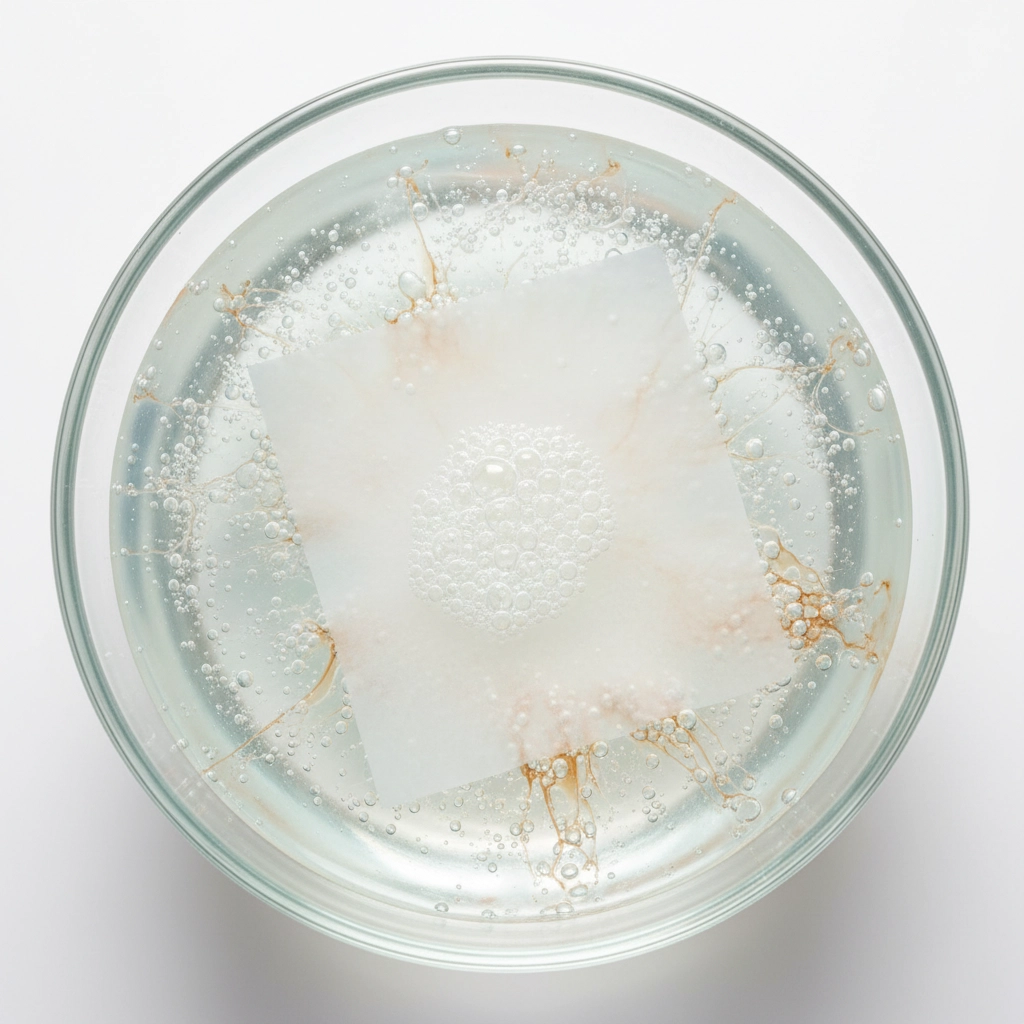
Shampoo sheets represent concentrated cleaning technology in paper-thin format. These biodegradable sheets dissolve when activated with water, creating a lathering formula that cleanses hair without traditional liquid packaging. Each sheet contains surfactants, moisturizing agents, and pH-balanced ingredients compressed into a portable format.
The manufacturing process removes excess water and fillers found in liquid shampoos, concentrating active ingredients into lightweight sheets. This concentration method reduces packaging requirements by approximately 90% compared to equivalent liquid volumes. Transportation footprints decrease significantly due to reduced weight and compact dimensions.
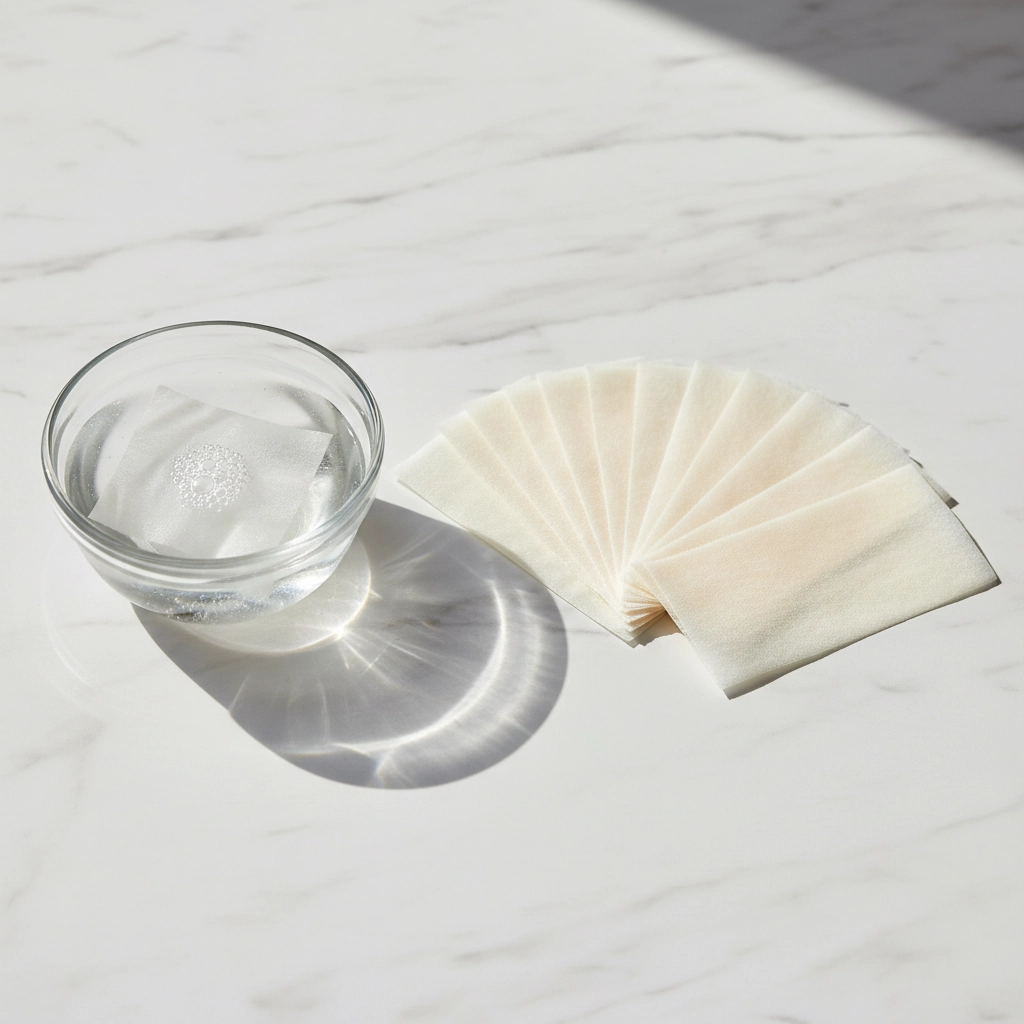
Core Advantages:
- Zero plastic bottle waste
- Compact storage requirements (50 sheets occupy space equivalent to one traditional shampoo bottle)
- TSA-compliant for travel
- Precise dosage control prevents product waste
- Biodegradable formulation reduces environmental impact
- Extended shelf life without preservatives typically required in liquid formulations
Limitations:
- Higher per-use cost compared to bulk liquid shampoos
- Limited availability in mainstream retail locations
- Adjustment period required for users accustomed to liquid lathering
- Effectiveness varies with water hardness levels
Analyzing Dry Shampoo Sprays
Dry shampoo sprays utilize oil-absorbing powders suspended in propellant systems to refresh hair between washing cycles. Aerosol delivery systems distribute fine particles across hair strands, where starches and clays absorb excess sebum production. The process extends time between traditional washing while maintaining appearance standards.
Modern formulations incorporate rice starch, corn starch, or kaolin clay as primary absorbing agents. Propellant systems typically use isobutane, propane, or compressed air to achieve consistent particle distribution. Some powder-based alternatives eliminate aerosol delivery entirely, using mechanical dispensing methods.
Core Advantages:
- Immediate oil absorption results
- Extends washing intervals by 24-48 hours
- Wide product availability across retail channels
- Familiar application method for most consumers
- Volume enhancement properties for fine hair types
Limitations:
- Aerosol packaging creates significant waste streams
- Propellant chemicals contribute to environmental concerns
- White residue buildup requires careful application technique
- Limited travel compatibility due to pressurized container restrictions
- Potential scalp irritation from frequent aluminum-based formulations
Zero Waste Impact Analysis
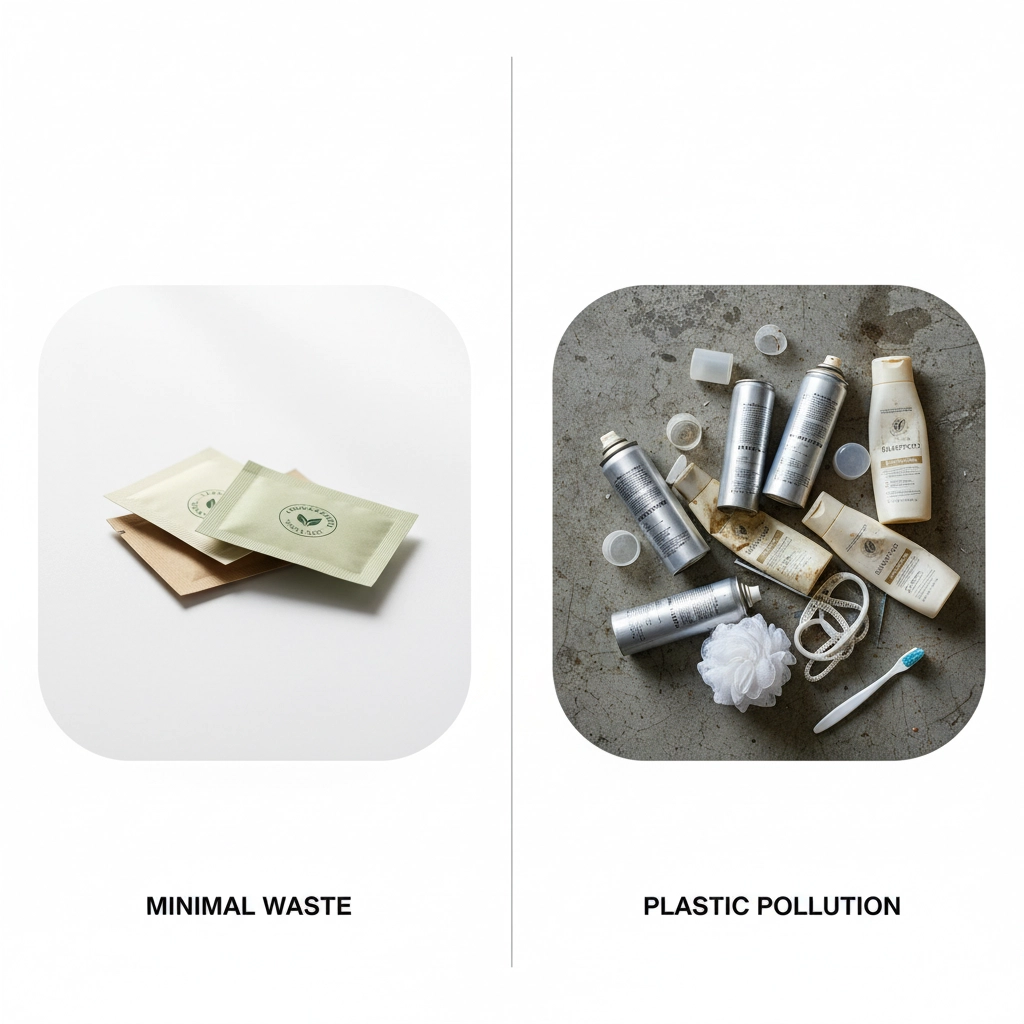
Packaging Waste Comparison: Shampoo sheets typically utilize minimal paper or cardboard packaging, often compostable or recyclable through standard municipal systems. A 50-sheet package replaces approximately 3-4 traditional shampoo bottles, reducing plastic waste by 85-90% per equivalent use volume.
Dry shampoo sprays require aerosol containers constructed from aluminum and steel components. While technically recyclable, aerosol containers require specialized processing facilities not available in all municipal systems. Empty containers retain pressurized residue, complicating standard recycling procedures.
Transportation Efficiency: Shampoo sheets demonstrate superior transportation efficiency through weight reduction. Standard shipping calculations show 95% weight reduction compared to liquid equivalents, resulting in lower carbon emissions per use. Compact dimensions allow efficient warehouse storage and reduced packaging materials for distribution.
Aerosol products require hazardous material shipping protocols, increasing transportation costs and environmental impact. Pressurized containers mandate specific handling procedures and storage requirements throughout distribution chains.
Performance Comparison Matrix
| Factor | Shampoo Sheets | Dry Shampoo Sprays |
|---|---|---|
| Cleaning Efficacy | Complete cleansing action | Oil absorption only |
| Environmental Impact | Minimal waste generation | High packaging waste |
| Cost Per Use | $0.15-0.25 | $0.10-0.20 |
| Storage Space | 90% space reduction | Standard container size |
| Travel Compatibility | TSA-compliant | Restricted volumes |
| Application Time | 2-3 minutes | 30 seconds |
| Residue Concerns | None when properly dissolved | Potential white buildup |
| Scalp Health | pH-balanced cleansing | May cause irritation with overuse |
Practical Implementation Strategy
For Complete Zero Waste Transition: Shampoo sheets provide comprehensive hair cleansing without plastic waste generation. Implementation requires water temperature adjustment (lukewarm works optimally) and brief dissolution period before application. Users typically require 1-2 sheets per washing session, depending on hair length and oil levels.
Storage considerations include moisture protection to prevent premature activation. Airtight containers or original packaging maintains sheet integrity for 18-24 months under proper conditions.
For Hybrid Approaches: Combining shampoo sheets for primary cleansing with powder-based dry shampoo (non-aerosol) for touch-ups maximizes zero waste benefits while maintaining convenience. This approach reduces washing frequency while eliminating aerosol waste streams.
Powder dry shampoos in recyclable containers provide oil absorption benefits without propellant environmental concerns. Application requires more technique development but eliminates white residue issues common with spray versions.
Long-Term Sustainability Assessment
Economic Factors: Initial transition costs for shampoo sheets run approximately 20-30% higher than conventional liquid shampoos. However, precise dosage control and concentrated formulations often result in equivalent or lower long-term costs per use. Elimination of half-empty bottle waste contributes to actual usage efficiency.
Dry shampoo spray replacement cycles typically occur every 4-6 weeks with regular use, creating ongoing packaging waste streams. Economic analysis shows cumulative environmental costs through disposal and replacement requirements.
Scalability Considerations: Shampoo sheet manufacturing capacity continues expanding as demand increases. Multiple producers now offer variations targeting different hair types and specific concerns (color-treated, sensitive scalp, volume enhancement). Market growth supports price reductions through economy of scale improvements.
Technical Performance Standards
Water Hardness Impact: Shampoo sheet effectiveness varies with local water mineral content. Hard water areas may require slight technique adjustments or pre-treatment for optimal results. Formulation chemistry accounts for standard hardness levels, but extreme conditions might affect lathering characteristics.
pH Balance Maintenance: Quality shampoo sheets maintain pH levels between 4.5-6.5, supporting natural scalp acidity. This balance prevents excessive drying while ensuring effective cleansing action. Laboratory testing confirms pH stability throughout product shelf life.
Temperature Sensitivity: Optimal performance occurs with lukewarm water temperatures (85-95°F). Hot water accelerates dissolution but may reduce moisturizing agent effectiveness. Cold water slows activation but maintains all formulation benefits once dissolved.
Zero Waste Bathroom Integration
Complete System Approach: Successful zero waste bathroom transitions require coordinated product selection across all categories. Shampoo sheets integrate seamlessly with solid conditioner bars, package-free soaps, and concentrated cleaning products. This systematic approach maximizes waste reduction while maintaining performance standards.
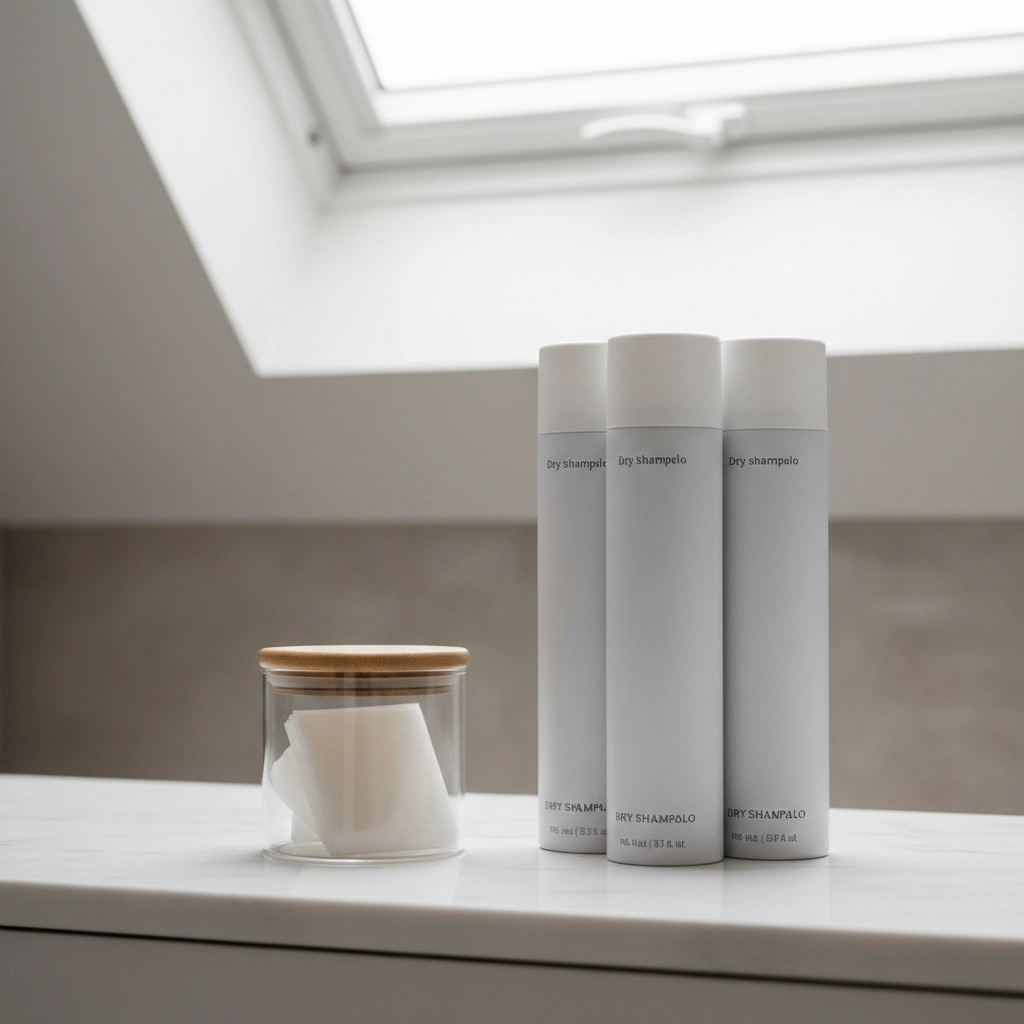
Storage Solutions: Proper storage systems prevent moisture exposure while maintaining accessibility. Glass containers with airtight seals protect sheet integrity while supporting reuse principles. Label systems help track usage patterns and reorder timing.
Measurement and Tracking: Quantifying waste reduction helps maintain motivation and identify improvement opportunities. Standard household waste reduction through shampoo sheet adoption typically ranges from 12-15 plastic bottles annually per person. Documentation supports long-term habit formation.
For zero waste bathroom goals, shampoo sheets provide superior environmental benefits compared to dry shampoo sprays. While serving different primary functions, shampoo sheets offer complete cleansing action without packaging waste, making them the preferred choice for sustainable hair care routines. Strategic implementation with complementary zero waste products creates comprehensive bathroom sustainability systems that balance performance with environmental responsibility.